
Plant-based meat has a flavour problem. So does high-protein food for elderly care. And sodium-reduced products.
The question underlying all of them is the same: how do we deliver flavour and nutrition at the same time?
One unusual freeze-aged food may offer a structural clue: Koya Tofu.
What Freeze-Aging Does to Tofu
Koya Tofu is produced through slow freezing, low-temperature aging, and drying.
This process creates a shelf-stable, nutrient-dense food while also transforming the internal structure of the tofu.
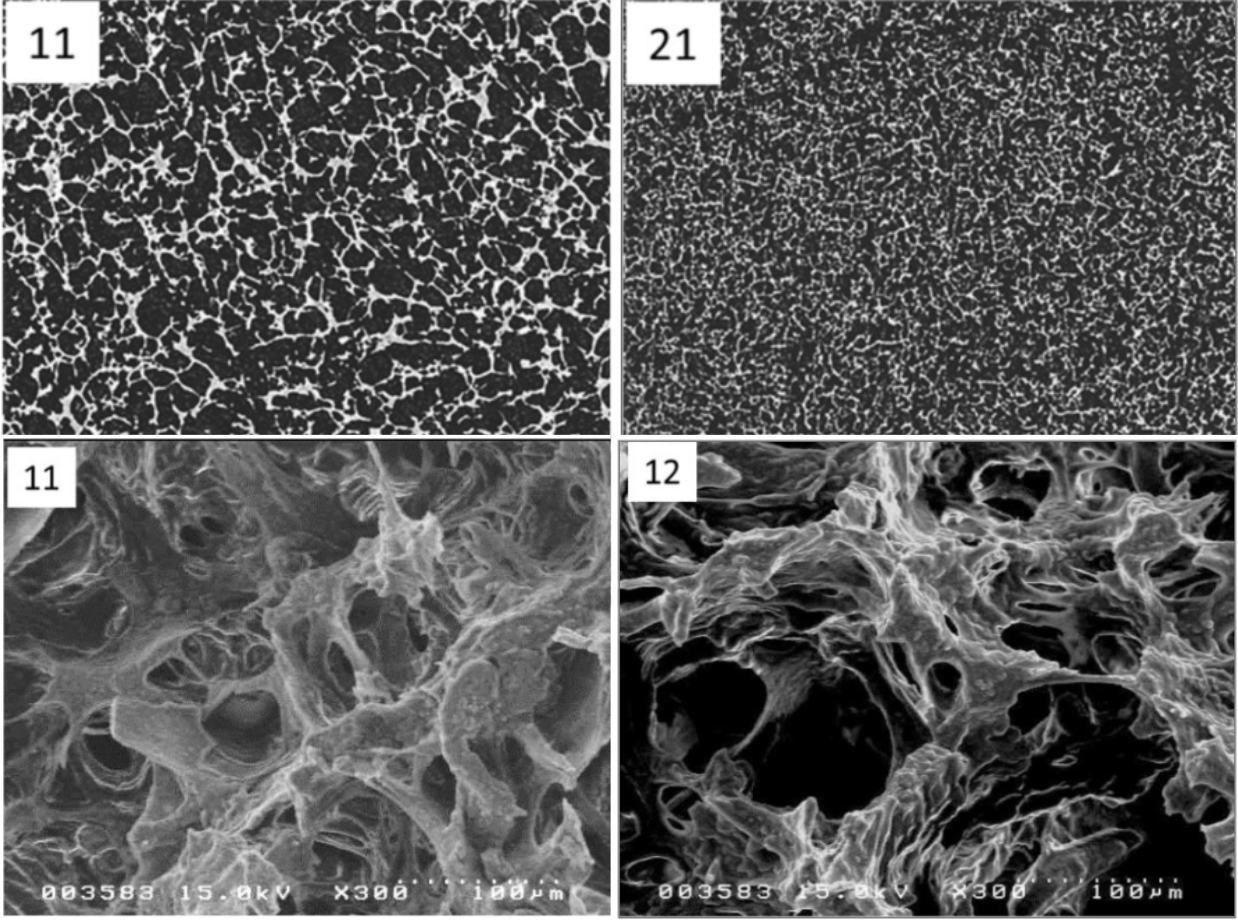
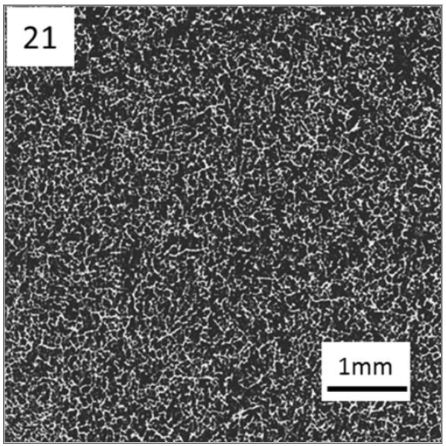
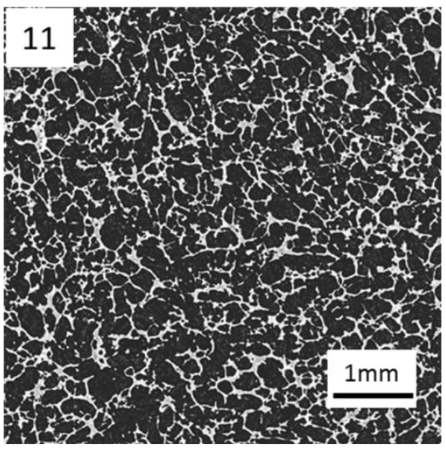
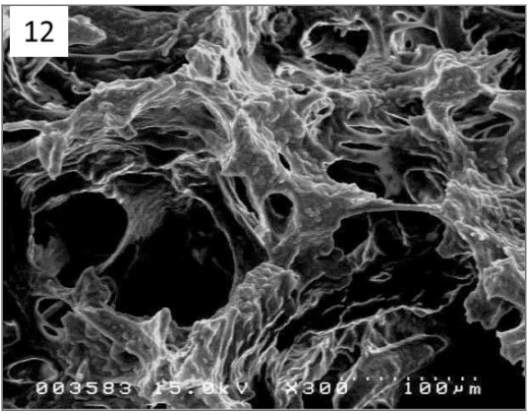
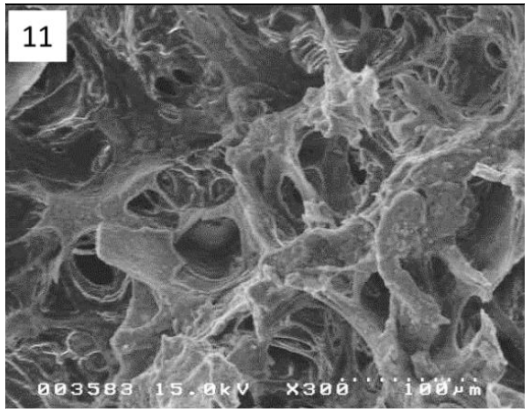
Large ice crystals form throughout the tofu during freezing. During low-temperature aging, the structural changes initiated by freezing continue to develop, resulting in a highly porous architecture.
The resulting architecture differs fundamentally from conventional tofu — both in texture and in its interaction with liquids.
Microstructure of fresh and frozen tofu: X ray CT (Computed tomography) Images (Provided by Asahimatsu Foods co.ltd,.)
The Data We Have
We have begun examining how effectively Koya Tofu retains seasoned liquid.
Internal testing of simmered Koya Tofu showed high retention rates of a seasoned broth containing dashi, soy sauce, sugar, and mirin over a three-day period.
Retention of Seasoned Broth in Koya Tofu Over a Three-Day Period
| Time | Retained Broth (g/g dry product) | Retention Rate (%) |
|---|---|---|
| 1 hour | 5.13 | 99.24 |
| 1 day | 5.11 | 98.78 |
| 2 days | 5.09 | 98.43 |
| 3 days | 5.03 | 97.34 |
Across the three-day period, the structure continued to retain a substantial proportion of the seasoned liquid.
While these observations do not directly measure flavour compounds, they raise an interesting question: if this structure retains seasoned liquid so effectively, how does it influence the retention and delivery of flavour compounds?
Beyond Plant-Based: A Shared Challenge
The challenge extends beyond plant-based meat.
In elderly nutrition, increasing protein density can reduce palatability. In sodium reduction, lowering salt often reduces flavour satisfaction.
In both cases, the same question emerges: how can flavour and nutrition be delivered together?
A porous structure capable of retaining flavour-bearing liquid that contributes to sensory satisfaction may be one variable worth exploring.
We are not claiming it solves these challenges. We are suggesting it is a variable that has not yet been systematically tested in them.
A Structure Worth Exploring
Whether this structure has broader applications remains an open question.
From flavour retention to sensory satisfaction, Koya Tofu suggests that there may be more to explore in the relationship between food structure and food experience.
It is a possibility worth investigating.
*1=Methodological Note: The retention data were obtained using a standardised preparation procedure, including controlled simmering, cooling, draining, and storage conditions. The results are presented here as preliminary observations. Full experimental details are available upon request. Retention rate is expressed relative to the amount of seasoned broth retained immediately after preparation (defined as 100%). Full specimen preparation details are available upon request.
*This content is intended for food industry professionals. It is provided for informational purposes only and does not constitute medical, nutritional, or therapeutic claims, nor advice regarding the diagnosis, treatment, or prevention of any condition.